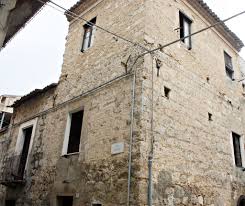

Varcando la soglia della Casa Museo Caripa, ci si sente subito avvolti da un’atmosfera unica. È come entrare in un’altra dimensione, dove ogni angolo racconta una storia, ogni oggetto sembra parlare. L’edificio, che risale al periodo medievale, è un affascinante esempio di architettura che ha saputo adattarsi ai secoli, passando da torre di avvistamento a residenza privata. Ogni suo mattone conserva il ricordo di epoche passate, di persone che hanno vissuto, amato e lavorato in queste stanze.
Ciò che rende speciale la Casa Museo è la sua capacità di trasportare il visitatore indietro nel tempo, regalandogli un’esperienza sensoriale completa. Oggetti e fotografie databili tra la fine dell’Ottocento e la metà del Novecento sono esposti in modo da restituire un’idea autentica della vita sociale delle famiglie siciliane. Ogni oggetto, dalle vesti d’epoca agli strumenti quotidiani, racconta qualcosa di più: non solo il passato, ma anche le emozioni, i sogni, le speranze di chi ha abitato questa terra.
La Casa Museo Caripa è un autentico scrigno di storia, che conserva gelosamente l’arredamento tipico di una famiglia della classe medio-borghese dei primi Novecento. Immagina di salire su per le scale, sentendo sotto i piedi il legno che scricchiola, e di entrare in una camera da letto dove il profumo di un tempo sembra ancora aleggiarvi. Oppure di fermarti ad ammirare la cucina a legna, con il suo grande forno, il luogo dove la famiglia si riuniva per preparare i piatti tipici, un angolo che racconta di tradizioni culinarie secolari.
Al piano terra, gli antichi Catoji – le stalle – ti permettono di immaginare la vita agricola di un tempo, mentre al piano superiore un salone e una piccola stanzetta, un tempo cuore pulsante della casa, ti accoglieranno con il loro calore e la loro semplicità.
Ogni sala è un piccolo universo da scoprire, dove gli oggetti diventano protagonisti di una narrazione viva e attiva, proprio come lo furono un tempo. I mobili, le foto, gli utensili sono testimoni di una Sicilia che, pur nel suo cambiamento, ha sempre mantenuto un legame profondo con le sue tradizioni.

Stepping into the Casa Museo Caripa, you are immediately enveloped by a unique atmosphere. It feels like entering another dimension, where every corner tells a story, and every object seems to speak. The building, dating back to medieval times, is a fascinating example of architecture that has adapted over the centuries, transitioning from a watchtower to a private residence. Every brick holds the memory of past eras, of people who lived, loved, and worked within these walls.
What makes the Casa Museo special is its ability to transport visitors back in time, offering a full sensory experience. Objects and photographs dating from the late 19th century to the mid-20th century are displayed in a way that provides an authentic sense of the social life of Sicilian families. Each object, from period clothing to everyday tools, tells something deeper: not just the past, but the emotions, dreams, and hopes of those who inhabited this land.
The Casa Museo Caripa is a true treasure trove of history, carefully preserving the furnishings typical of a middle-class family from the early 20th century. Imagine climbing the stairs, hearing the wood creak under your feet, and entering a bedroom where the scent of a bygone era still seems to linger. Or stop to admire the wood-burning stove in the kitchen, with its large oven, the place where the family gathered to prepare traditional dishes, a corner that speaks of centuries-old culinary traditions.
On the ground floor, the ancient Catoji—the stables—allow you to imagine rural life of the past, while upstairs, a living room and a small room, once the heart of the home, welcome you with their warmth and simplicity.
Every room is a small universe to discover, where objects become the protagonists of a living, active narrative, just as they were in the past. The furniture, photos, and tools are witnesses to a Sicily that, despite its changes, has always maintained a deep connection to its traditions.